Custom Charging Products. Built Around Your Market.
From private-label customization to new product development, TOPTAI turns buyer requirements into a feasible solution, approved sample and controlled mass-production program.
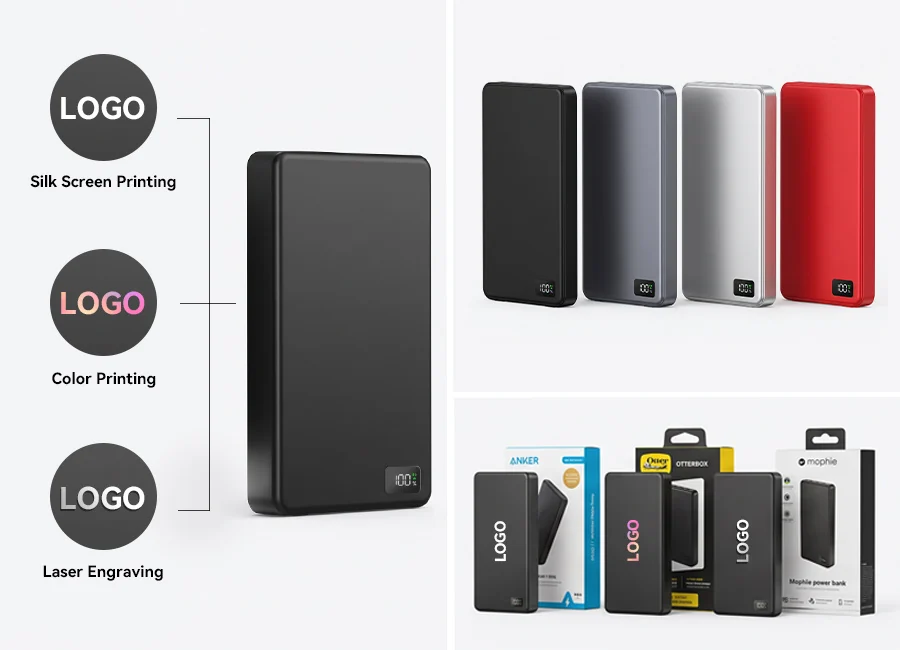
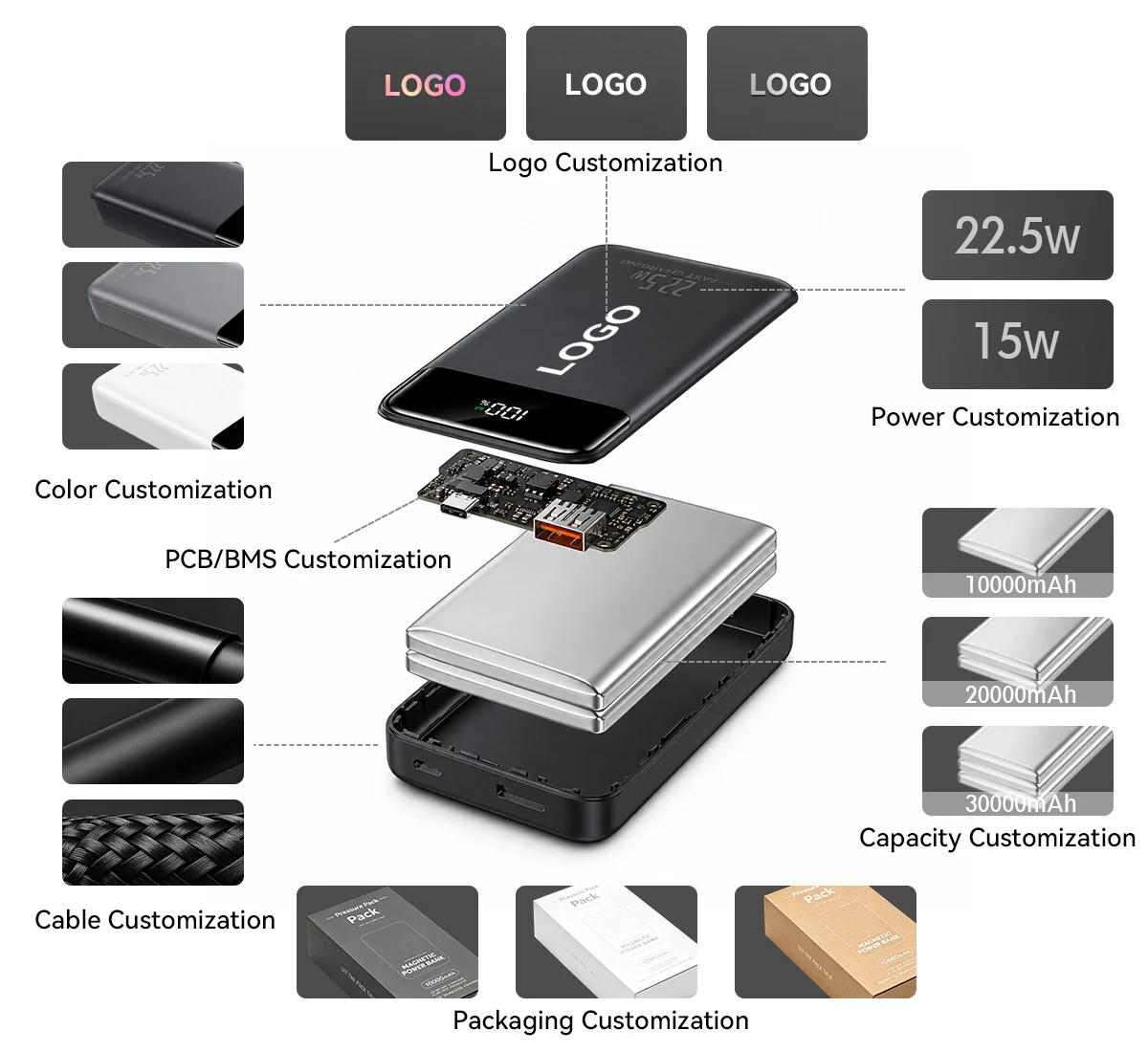
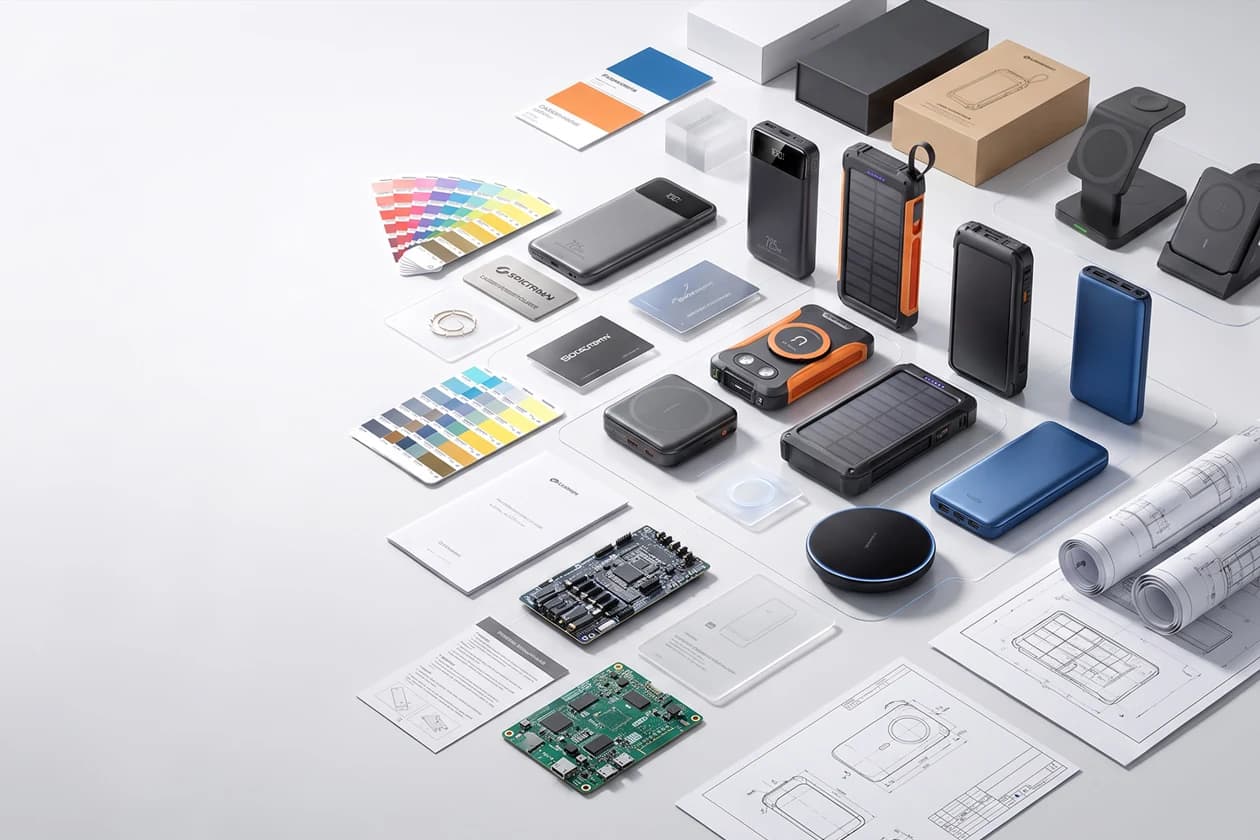
Brand & AppearanceLogo, color, surface finish, labels and product markings.
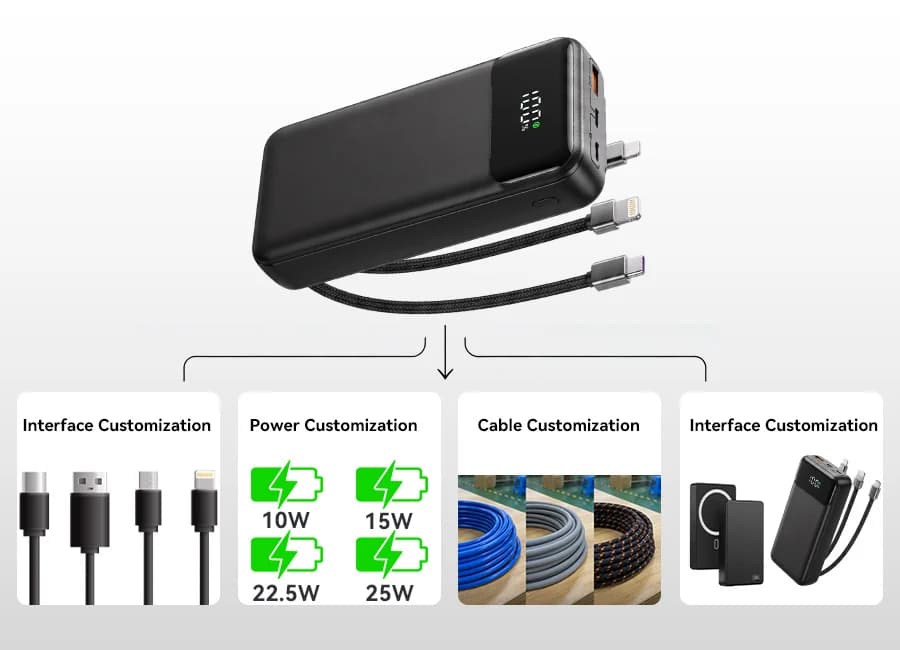
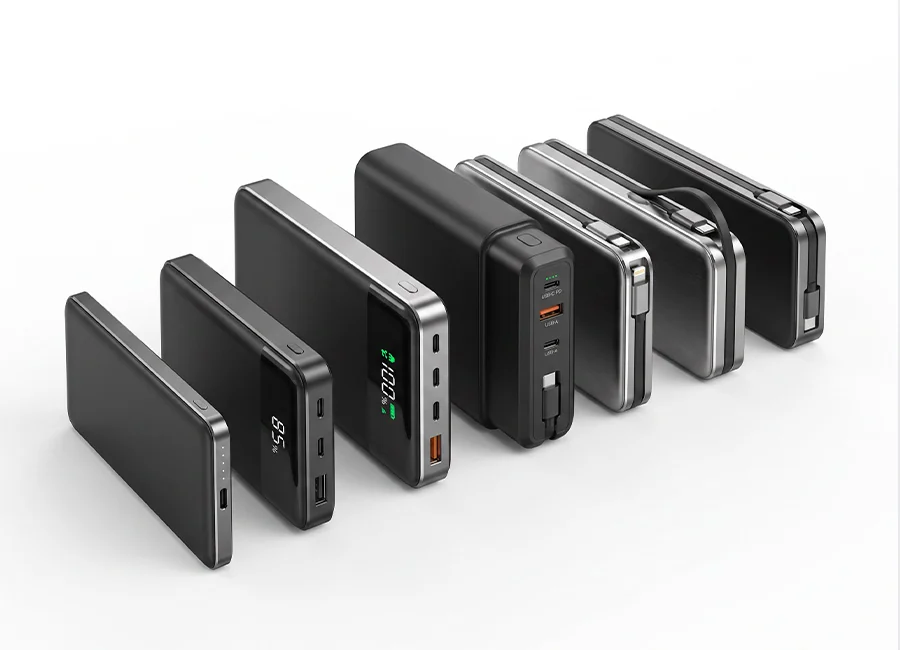
Function & SpecificationCapacity, power output, ports, cables and selected features.
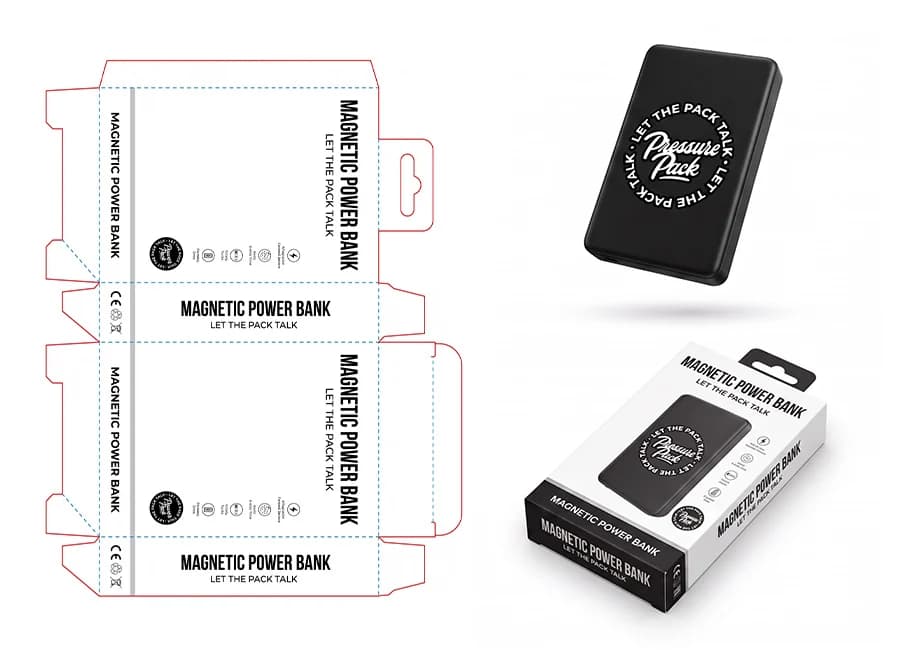
Packaging & BundleRetail box, inserts, manuals, accessories and carton marks.
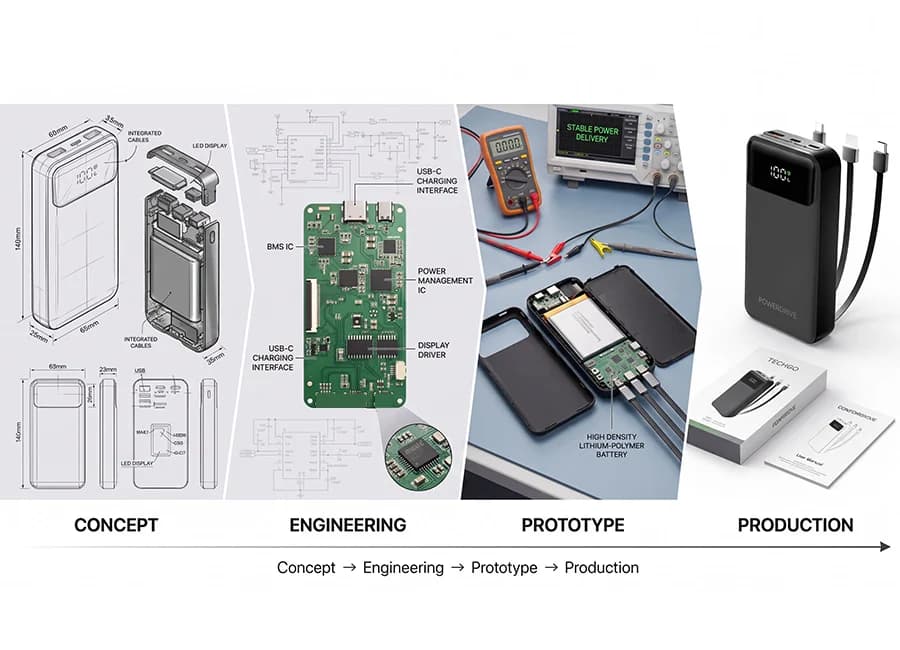
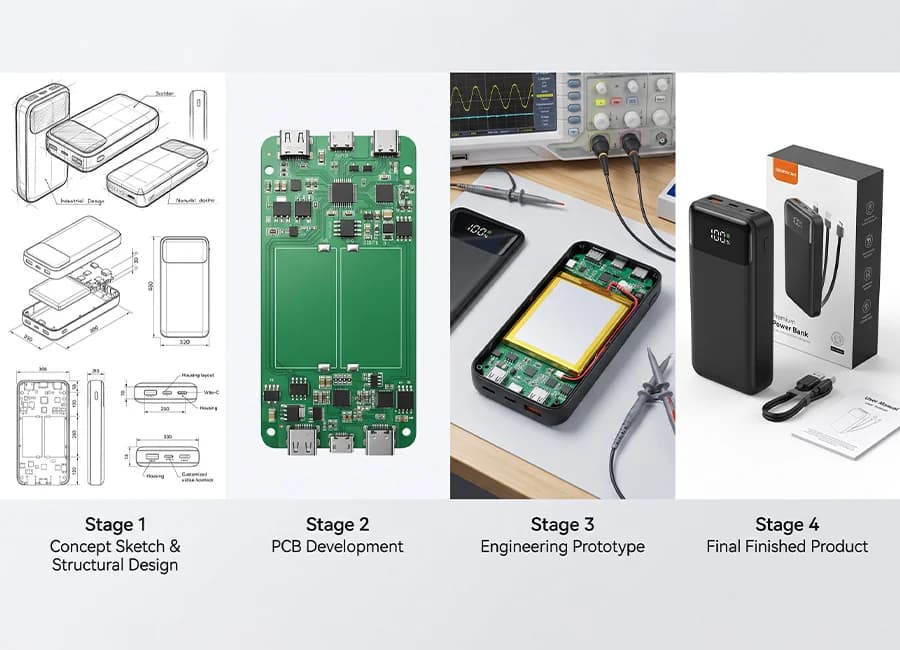
Structure & ElectronicsHousing, tooling, PCB and BMS evaluation for qualified ODM programs.
ENGINEERING BEFORE COMMITMENT
Customization Starts With Feasibility, Not Decoration
A product can look simple while power architecture, thermal behavior, protection logic, component availability or certification creates hidden risk. We review these constraints before recommending the final scope.
Electrical and charging-performance review
Structure, tooling and component feasibility
Sample, certification and launch-time planning
Cost drivers separated from optional features
ONE CLEAR PROJECT PATH
From Requirement to Mass Delivery
Each stage ends with something concrete to review and approve, keeping assumptions visible before they become production problems.
01
Your Requirements
Tell us the product type, target market, quantity, budget, functions and launch timing. A reference image or rough idea is enough to begin.
Output · Clear project brief
02
Custom Solution
We review product fit, technical feasibility, compliance needs, branding, packaging and cost—then recommend the most practical route.
Output · Solution & quotation
03
Sample Approval
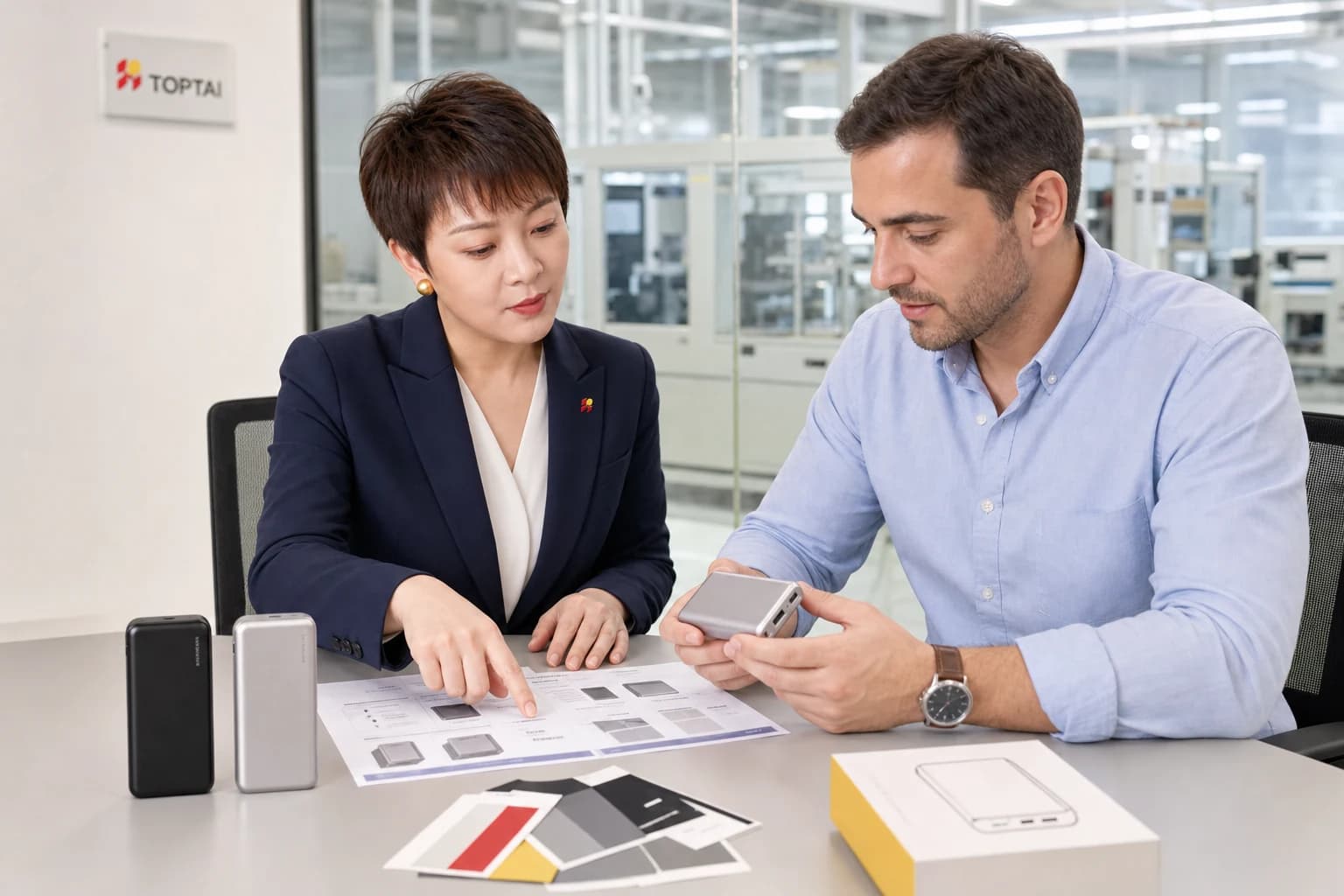
Confirm appearance, function, logo placement and packaging details before production materials are released.
Output · Approved sample
04
Mass Delivery
Production, functional checks, aging verification, packing and shipment milestones follow the confirmed specification.
Output · Ready-to-sell goods
PROJECT PLANNING TOOL
Custom Product Requirement Checklist
You do not need a finished specification. Use the checklist to organize what you know, then send the available information so our team can identify the missing decisions with you.
01Product type or reference02Target market and sales channel03Required functions and specifications04Expected order quantity05Target price range06Logo and packaging files07Compliance destination08Preferred delivery date
THREE PRACTICAL STARTING POINTS
Examples of Customization Programs
Compare development depth before requesting a quotation.
PRIVATE LABEL
Brand-Ready Launch
Existing product platform with custom logo, color, retail packaging, manual and carton marks.
Lower development risk · Faster sampling
FUNCTIONAL OEM
Channel-Specific Product
Adapt capacity, output, ports, cables, materials or bundled accessories for a defined sales channel.
Balanced differentiation · Controlled cost
FULL ODM
New Product Development
Evaluate structure, electronics, tooling, prototypes and pilot production for a differentiated concept.
Your Approved Sample Becomes the Production Reference
Logo position, color, function, packaging and key specifications are confirmed before mass production and followed through production checks, aging verification and packing.
Specification confirmationFunctional and appearance reviewProduction milestone follow-upFinal packing and shipment readiness
Standard-platform branding usually starts lower. Custom materials, colors, structures and tooling require higher commitments.
Timeline
Artwork, engineering, samples, revisions, certification, material lead time and pilot production affect launch timing.
Cost
Product platform, electrical changes, tooling, finish, packaging, certification and inspection are evaluated separately.
BUYER QUESTIONS
Customization FAQ
Clear answers before sampling help both sides avoid unsuitable specifications, quantities and timelines.
What is the MOQ for a customized power bank or wireless charger?+
MOQ depends on the selected model and what changes. Logo and packaging programs can usually start lower than custom colors, structural changes, new tooling or electronic development. We confirm the applicable MOQ after reviewing the project brief.
How long does a customization project take?+
A private-label sample can move faster than a functional OEM or full ODM program. Timing depends on artwork readiness, component availability, tooling, certification and the number of sample revisions. We provide a project timeline before work begins.
Can TOPTAI help if we only have an idea or reference image?+
Yes. A reference product, sketch, target price or market requirement is enough to start. We identify the missing technical and commercial decisions and recommend the most practical route.
Can you customize both products and packaging?+
Yes. Depending on feasibility and quantity, we can coordinate logo methods, color, finish, labels, product markings, retail packaging, manuals, inserts, accessories and shipping-carton information.
How do you keep mass production consistent with the approved sample?+
The approved sample and confirmed specification become the production reference. Logo position, color, functions, packaging and key performance requirements are followed through production, checks, aging verification and packing.
Can you support certification for our target market?+
We review the destination market and applicable documentation at the feasibility stage. Existing certificates may apply to selected platforms; structural or electrical changes can require additional testing or certification work.
START YOUR PROJECT
Tell Us What You Want to Build
Required fields are marked. If the specification is incomplete, describe the market, product idea and expected quantity.
HAVE A PRODUCT IN MIND?
Let's Find the Most Practical Way to Build It.
Share a reference image, specifications or simply the market need. We will respond with the questions and options needed to move forward.